How to Evaluate a Caribbean Medical School
A U.S. and Canadian-level medical education, in the Caribbean.
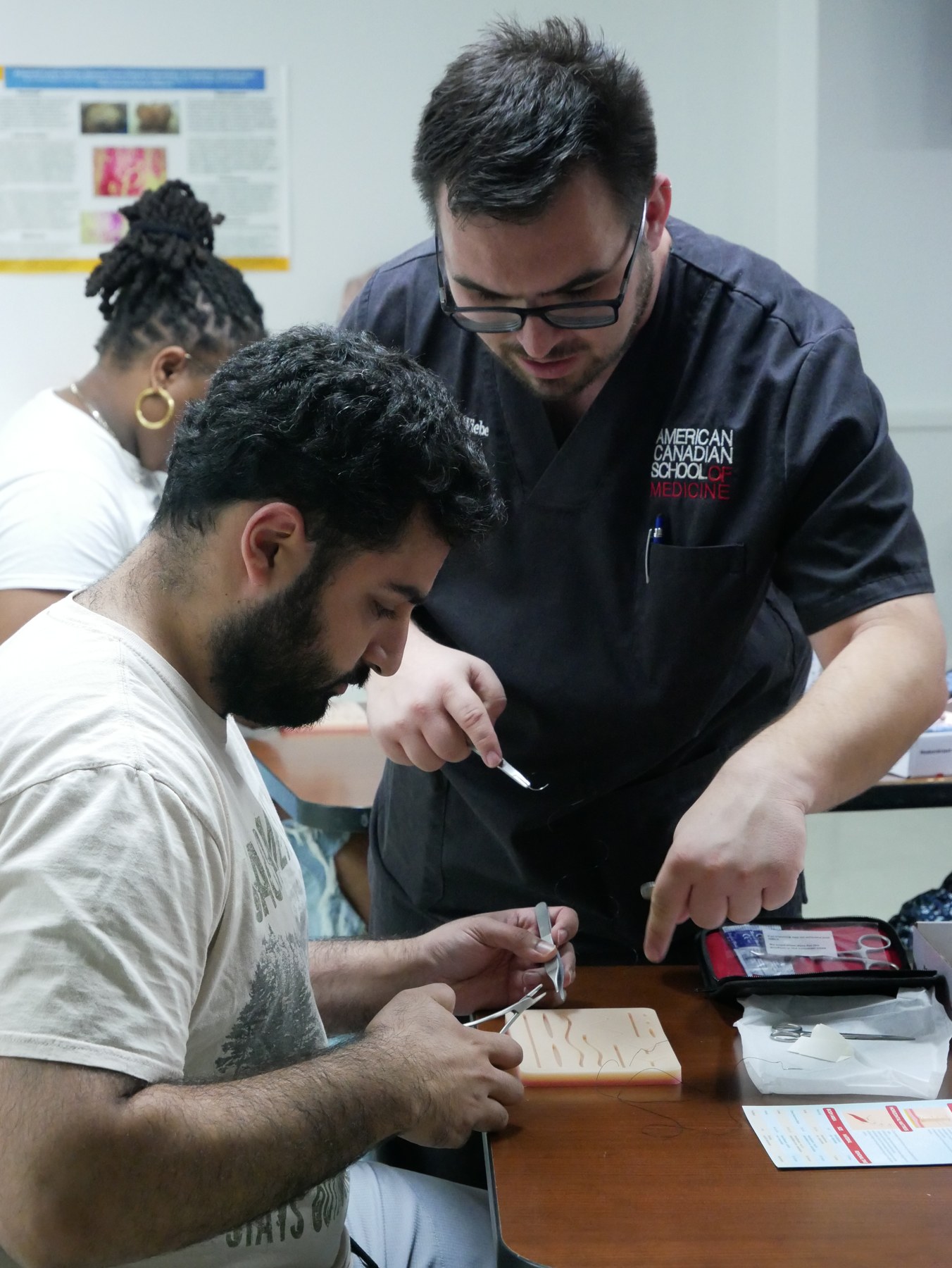
At the American Canadian School of Medicine (ACSOM), your curriculum was developed by faculty from U.S. medical schools including Yale and Penn State. Our accreditation from ACCM follows a process modeled on the LCME standards used for U.S. medical schools. And your clinical years are spent in U.S. teaching hospitals. Those are the kinds of standards every Caribbean medical school should be measured against.
Choosing a Caribbean medical school is one of the biggest decisions you and your family will make. It shapes your training, your debt, and your path to residency. The good news is that you do not have to guess. A few clear questions will tell you whether a school is built around your success.
This guide walks you through what to check, what to ask, and what to watch for. We will also show you how ACSOM answers each question, so you can compare with confidence.
Why Students Choose a Medical School in the Caribbean
Every year, many qualified applicants are turned away from medical schools in the United States and Canada. For many capable students, a medical school in the Caribbean becomes a practical path toward becoming a physician.
That path can work well, but outcomes depend heavily on the school you choose. Medical schools in the Caribbean vary widely in accreditation, student support, clinical access, cost, and residency preparation. That is why applicants should compare schools carefully before making a decision.
Not All Caribbean Medical Schools Are the Same
Caribbean medical schools vary widely in accreditation, ownership structure, clinical access, student support, cost transparency, and residency preparation. Applicants should compare schools carefully before making a decision.
Independent reporting and student guidance over the years have raised recurring concerns in the category, including:
- Ownership and incentives. Many Caribbean medical schools are for-profit institutions, which can shape how growth, admissions, and student support are prioritized.
- Student outcomes. Graduation rates, licensing-exam readiness, and residency outcomes can differ significantly from school to school.
- Institutional stability. Applicants should confirm that a school’s accreditation status, campus operations, and clinical partnerships are stable and clearly documented.
None of this means a Caribbean medical school is the wrong choice. It means you should ask direct questions and compare schools carefully before committing. Here is how.
How to Evaluate a Caribbean Medical School: 8 Things to Check
1. Accreditation by a WFME-Recognized Agency
Accreditation is the foundation. Students comparing accredited Caribbean medical schools should confirm that the school is accredited by an agency recognized by the World Federation for Medical Education (WFME). Intealth, the parent organization of ECFMG, approves WFME and the U.S. National Committee on Foreign Medical Education and Accreditation (NCFMEA) as the organizations that recognize medical school accreditors.
Watch for this common mix-up: being listed in the World Directory of Medical Schools is not the same as being accredited. The World Directory is a list, not an accreditor. Ask the school which agency accredits it, what status it holds, and when its next review is due.
2. ECFMG Eligibility
To train in a U.S. residency, international medical graduates need ECFMG Certification. Search the school in the World Directory of Medical Schools and open the Sponsor Notes tab. An ECFMG Sponsor Note confirms that the school's students and graduates are eligible to apply for ECFMG Certification and its exams. The same tab also shows whether the school meets Intealth's Recognized Accreditation Policy.
3. Non-Profit or For-Profit Ownership
Ownership shapes priorities. A for-profit school answers to owners and investors. A non-profit school reinvests its resources in education and student support. Ask who owns the school, how decisions are made, and whether enrollment growth is driven by student readiness or by revenue targets.
4. Attrition and Honest Outcomes
A school can admit almost anyone. The real question is how many students it helps finish. Ask:
- What percentage of students who start the program graduate?
- How many students are held back from sitting licensing exams?
- How are pass rates and residency placement rates calculated, and who is left out of the numbers?
A trustworthy school will explain its definitions clearly and will not hide the denominator.
5. Transparent Total Cost
Tuition is only part of the cost. Ask for the full cost of attendance for every year, including administrative and technology fees, health and malpractice insurance, housing, flights, and living expenses. Ask which loans are available to you, and when repayment begins. Ask for the refund policy in writing.
6. Clinical Rotations in Accredited Teaching Hospitals
Where you train in Years 3 and 4 matters for residency. Ask where core rotations take place, whether those hospitals host or take part in ACGME-accredited residency programs, and whether the school arranges your rotations or leaves you to find them.
7. A Real Campus and Real Support
Visit if you can, or ask for a live virtual tour. Look for a permanent campus, physician faculty, small class sizes, a learning center, tutoring, wellness services, and a working relationship with the host country and its health system.
8. Residency Readiness
The goal is residency, not just a diploma. Ask how the school prepares students for USMLE and Medical Council of Canada exams, how it supports applications through the NRMP and CaRMS, and what senior rotations look like in Year 4.
Bring this checklist to every school you talk to. Have questions about ACSOM? Request Info
How ACSOM Answers Each Question
ACSOM was created by physicians for future physicians who want to practice in the United States and Canada. Here is how we measure up against the checklist above.
| What to check | ACSOM |
|---|---|
| Accreditation | Fully accredited by IAAR (Independent Agency for Accreditation and Rating) and provisional accreditation from ACCM (Accreditation Commission on Colleges of Medicine), whose process closely follows U.S. LCME standards. Both agencies are recognized by WFME. |
| ECFMG eligibility | ACSOM has an ECFMG Sponsor Note in the World Directory of Medical Schools. |
| Ownership | Non-profit. Working in unison with the Commonwealth of Dominica and local healthcare facilities. |
| Attrition and outcomes transparency | Applicants are encouraged to ask ACSOM directly about student progression, academic support, exam readiness, and how outcomes are defined. |
| Cost | Published tuition, fees, and estimated cost of attendance for every year. |
| Clinical training | Core rotations in U.S. teaching hospitals that host or participate in ACGME-accredited residency programs. |
| Campus | A 33-acre campus in Dominica with 160,000 square feet of purpose-built laboratories, small group classrooms, and learning centers. |
| Support | Small groups, faculty mentoring, a Student Learning Center with free tutoring, and USMLE advisement. |
| Residency readiness | ACSOM provides USMLE advisement, built-in exam preparation, and support for students pursuing residency pathways in the U.S. and Canada. |
A U.S. and Canadian-Level Medical Education, From a Non-Profit Built With Dominica
ACSOM is a non-profit medical school. We are not run for shareholders, so our focus stays on educational quality, student success, and residency readiness.
We work in unison with the Commonwealth of Dominica and local healthcare facilities. Our faculty are physicians who treat patients in Dominica's healthcare system, which lets us bring clinical learning into the first two years. ACSOM works directly with the Government of the Commonwealth of Dominica to facilitate student visas, and citizens of Dominica who are accepted receive a full tuition scholarship.
That foundation supports something students and parents tell us matters most: a medical education built to the standards of U.S. and Canadian medical schools. Here is what that means in practice.
Accreditation modeled on U.S. standards. ACCM's accreditation process closely follows the LCME standards used for all U.S. medical schools, and ACCM granted ACSOM provisional accreditation in November 2025. ACSOM is also fully accredited by IAAR, which granted a five-year full accreditation in 2023 after a site visit. Both accreditors are recognized by the World Federation for Medical Education (WFME).
Admissions held to U.S. and Canadian norms. Our admission requirements are similar to those of medical schools in the U.S. and Canada, following LCME guidelines. A faculty Admissions Committee reviews each applicant holistically, including GPA, MCAT, motivation, maturity, service, and leadership.
A curriculum designed by U.S. medical educators. Our four-year MD curriculum was developed by faculty members of U.S. medical schools, including Yale and Penn State. It was developed under the direct supervision of Dr. Jeff Wong, ACSOM's Senior Advisor to the Dean on Education, Curriculum and Faculty Development. Dr. Wong earned his MD at the University of Utah School of Medicine, completed his internal medicine residency at Duke University Medical Center, and has served as Senior Associate Dean for Medical Education at the Medical University of South Carolina.
Clinically integrated from Year 1, the way U.S. and Canadian schools teach. Students learn in small, case-based groups and work with standardized patients from the start. First-year students attend clinical settings one afternoon every two weeks. This clinically integrated model is typical for medical schools in the U.S. and Canada, and less common in the Caribbean. A dedicated course also covers the North American healthcare system, including policy and the social determinants of health.
Clinical years in U.S. teaching hospitals. Years 3 and 4 take place in U.S. teaching hospitals that host or participate in ACGME-accredited residency training programs. Current sites are Desert Regional Medical Center (Palm Springs, California), St. Mary Medical Center (Langhorne, Pennsylvania), and Nazareth Hospital (Philadelphia, Pennsylvania). Core rotations cover Surgery, Internal Medicine, Pediatrics, Psychiatry, Family Medicine, and Obstetrics & Gynecology.
Prepared for U.S. and Canadian licensing exams. Intensive USMLE preparation is built into Year 2, and the Student Learning Center provides USMLE advisement. ACSOM prepares students for both the U.S. and Canadian residency match: students take the USMLE for the U.S. and the Medical Council of Canada exams for Canada. Year 4 includes Acute Care Medicine and a six-week sub-internship to strengthen applications through the NRMP and CaRMS.
Chosen as a partner by Canadian universities. The University of Waterloo, the University of Windsor, and Saint Mary's University in Halifax have each signed pathway agreements that lead their students into ACSOM's MD program.
Fully Accredited, With WFME-Recognized Accreditors
ACSOM is fully accredited by IAAR and holds provisional accreditation from ACCM, an independent, not-for-profit accreditor based in Ireland. Both are recognized by WFME, and ACSOM has an ECFMG Sponsor Note in the World Directory of Medical Schools, so its students and graduates are eligible to apply for ECFMG Certification.
Two Years in Dominica, Two Years in U.S. Teaching Hospitals
Our four-year MD program begins with two years of medical sciences on our campus in Dominica. Students then complete core clinical rotations in U.S. teaching hospitals that host or participate in ACGME-accredited residency training programs. Current clinical training sites include Desert Regional Medical Center (Palm Springs, California), St. Mary Medical Center (Langhorne, Pennsylvania), and Nazareth Hospital (Philadelphia, Pennsylvania).
Small Groups and Clinical Exposure From Day One
ACSOM's curriculum was developed by faculty from leading U.S. medical schools, including Yale and Penn State. Learning is small-group and case-based rather than lecture-based. On campus, students typically work in groups of 8 to 10 with one faculty member. In clinic, generally 2 to 4 students are paired with each physician.
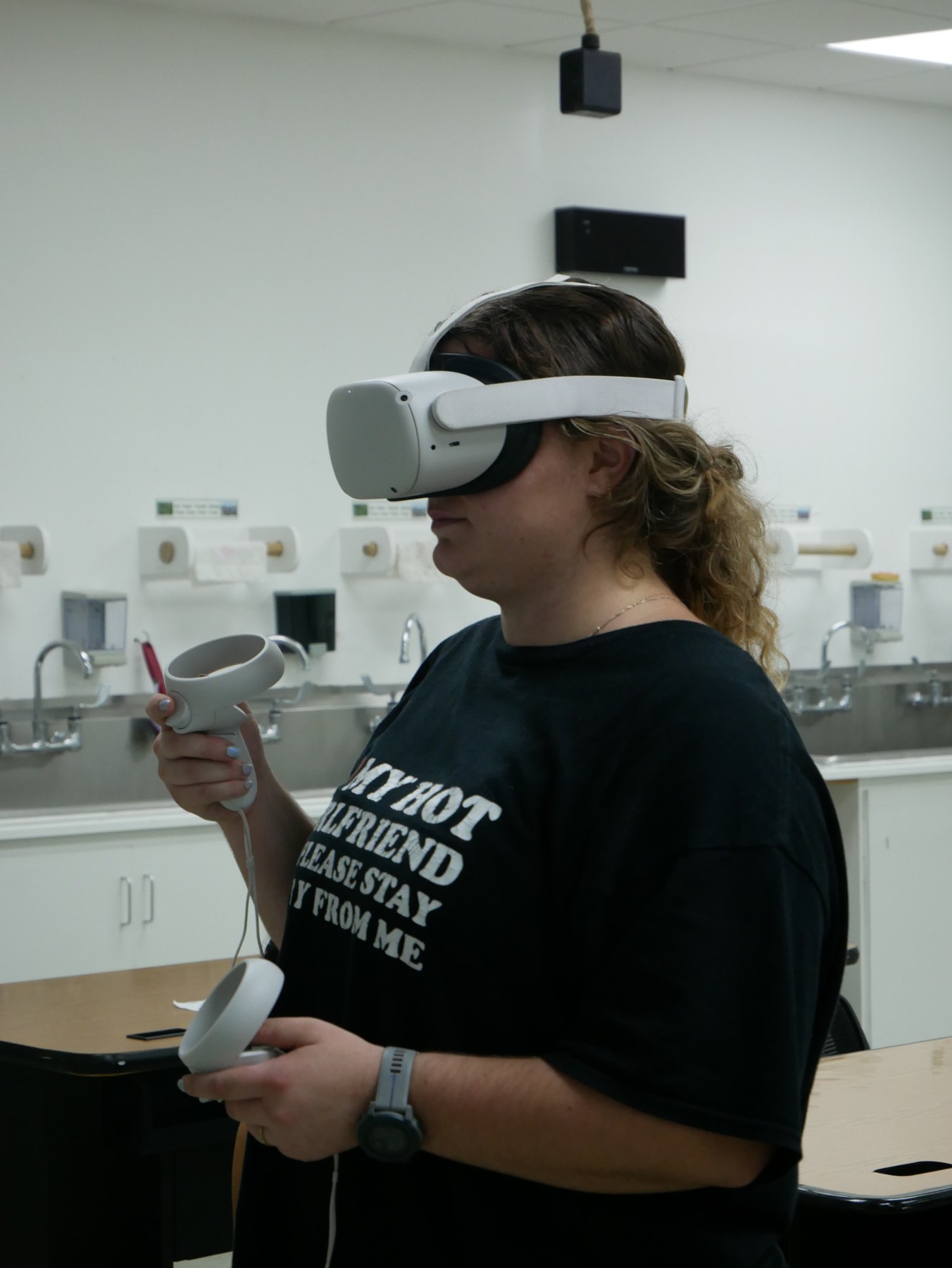
Clinical learning starts early. First-year students work with standardized patients, use the CyberPatient virtual clinical simulation, and attend clinical settings one afternoon every two weeks. Anatomy is taught through a longitudinal anatomy lab built on modern anatomy technology, including virtual reality and screen-based 3D tools.
Transparent Tuition, Published Up Front
Cost is one of the biggest decision points for students comparing Caribbean medical schools. We publish our numbers so applicants and families can plan with confidence. For 2026 to 2027, projected tuition is:
- Years 1 and 2: $50,000 USD per year
- Years 3 and 4: $57,000 USD per year
- Technology fee and administrative fee: $3,000 USD each, per year
Our full estimated cost of attendance, including living expenses, flights, and insurance, is published for every year of the program. Tuition is subject to change.
As a non-profit, ACSOM offers tuition that is approximately 20% lower than many other medical schools in the region. Accepted students are automatically considered for institutional scholarships, with no separate application. ACSOM also offers its own private education loan for U.S. and Canadian students, with repayment that may be postponed until after residency. For applicants considering a Caribbean medical school in Canada or the U.S., understanding the full cost of attendance matters just as much as headline tuition.
Support That Helps You Finish
Our Student Learning Center offers free tutoring for enrolled students, monthly workshops, exam preparation, and USMLE advisement. Faculty mentoring, wellness resources, and Student Support Services help you through the transition to island life and every step after. Year 2 adds intensive USMLE preparation, and Year 4 includes Acute Care Medicine and a six-week sub-internship to strengthen your residency applications through the NRMP and CaRMS.
A Caribbean Medical School for Canadian Students
For students looking for a Caribbean medical school for Canadian students, the most important questions usually involve CaRMS, licensing, and the path back to practice in Canada.
For applicants researching a Caribbean medical school Canada pathway, those questions matter just as much as tuition, accreditation, and clinical training.
ACSOM prepares students for both the U.S. and Canadian residency match. Students take the USMLE for the U.S. and the Medical Council of Canada examinations for Canadian residency and licensure pathways.
ACSOM also has pathway partnerships with three Canadian universities:
- University of Waterloo Pathway Program. Eligible Waterloo science students complete three years at Waterloo, then begin ACSOM's MD program. Students can earn a Waterloo Bachelor of Science and an ACSOM MD in seven years. Learn more
- University of Windsor Medical Pathway. Qualified UWindsor students from any undergraduate program can transition to ACSOM after as little as two years and pursue both a UWindsor undergraduate degree and an ACSOM MD in as little as six years. At least 50 conditional-admission positions are available each year. Learn more
- Saint Mary's University (Halifax) Medical School Pathway. Announced October 9, 2026. Eligible Saint Mary's Biology students complete three years at Saint Mary's, then four years at ACSOM. Qualified students may apply without the MCAT and receive a scholarship worth at least 25% of standard ACSOM tuition. ACSOM will reserve up to 50 seats per year for Saint Mary's pathway students during the first three years of the agreement. Learn more
Pathway admission is conditional, not automatic. Students must meet each program's academic requirements and complete an ACSOM interview.
Our Canadian admissions team understands the road home, including CaRMS and Canadian licensing requirements.
Questions to Bring to Every Caribbean Medical School
Print this list for your next information session, for you and for your parents:
- Which agency accredits you, is it recognized by WFME, and what is your current status?
- Do you have an ECFMG Sponsor Note in the World Directory of Medical Schools?
- Are you a non-profit or a for-profit institution? Who owns the school?
- What share of students who start your MD program graduate?
- How do you calculate pass rates and residency placement rates?
- What is the full cost of attendance for every year, and what loans can I use?
- Where exactly are core rotations, and are those hospitals tied to ACGME-accredited residency programs?
- Can I visit the campus and meet faculty and current students?
We welcome every one of these questions. Ask us.
Take the Next Step
You deserve a medical school that is transparent about accreditation, cost, clinical training, and student support. If you want help comparing ACSOM with your other options, talk with an admissions advisor about your goals, your timeline, and the questions that matter most to you.
Call or text 1-800-418-0424, or email Admissions@acsom.edu.dm.
Frequently Asked Questions About Caribbean Medical Schools
What should I look for in a Caribbean medical school?
Start with accreditation by a WFME-recognized agency and an ECFMG Sponsor Note in the World Directory of Medical Schools. Then compare ownership (non-profit or for-profit), attrition, total cost of attendance, where clinical rotations take place, the quality of the campus and support services, and how the school prepares students for residency.
Is being listed in the World Directory of Medical Schools the same as being accredited?
No. The World Directory of Medical Schools is a list of medical schools, not an accrediting body. Check the school's accrediting agency separately, and open the Sponsor Notes tab of its World Directory listing to confirm ECFMG eligibility.
Is ACSOM accredited?
Yes. ACSOM is fully accredited by the Independent Agency for Accreditation and Rating (IAAR) and holds provisional accreditation from the Accreditation Commission on Colleges of Medicine (ACCM). Both agencies are recognized by the World Federation for Medical Education (WFME). ACCM's accreditation process closely follows the LCME standards used for U.S. medical schools.
Can ACSOM graduates apply for ECFMG Certification?
Yes. ACSOM has an ECFMG Sponsor Note in the World Directory of Medical Schools, which confirms that its students and graduates are eligible to apply for ECFMG Certification and examinations.
Is ACSOM a non-profit medical school?
Yes. ACSOM is a non-profit medical school in the Commonwealth of Dominica. It works in unison with the Commonwealth of Dominica and local healthcare facilities, and it reinvests in education and student support rather than paying shareholders.
Where do ACSOM students complete clinical rotations?
After two years in Dominica, students complete core clinical rotations in U.S. teaching hospitals that host or participate in ACGME-accredited residency programs. Current sites include Desert Regional Medical Center in Palm Springs, California, St. Mary Medical Center in Langhorne, Pennsylvania, and Nazareth Hospital in Philadelphia, Pennsylvania.
How much does ACSOM cost?
For 2026 to 2027, projected tuition is $50,000 USD per year for Years 1 and 2 and $57,000 USD per year for Years 3 and 4, plus a $3,000 technology fee and a $3,000 administrative fee each year. ACSOM publishes a full estimated cost of attendance for every year on its Tuition & Financial Aid page. Tuition is subject to change.
Does ACSOM offer scholarships and financial aid?
Yes. Accepted students are automatically considered for institutional scholarships, including academic merit, Founders, and Global Equity scholarships, with no separate application. Citizens of Dominica who are accepted receive a full tuition scholarship. ACSOM also offers a private education loan for U.S. and Canadian students, and its Financial Aid office provides one-on-one planning.
Is ACSOM a good Caribbean medical school for Canadian students?
ACSOM is designed to support students planning for both U.S. and Canadian residency pathways. It prepares students for the Medical Council of Canada exams and CaRMS, and it has pathway partnerships with the University of Waterloo, the University of Windsor, and Saint Mary’s University. For applicants looking for a Caribbean medical school for Canadian students, those pathways and support structures are important points of comparison.
Do I need the MCAT to apply to ACSOM?
The MCAT is required for direct applicants to the four-year MD program and is one part of a holistic review. It is optional for Canadian students applying through ACSOM's affiliate university pathways, and it is not required for the online MD Direct Program.
Does ACSOM offer a U.S. and Canadian-level medical education?
ACSOM's four-year MD program was developed by faculty of U.S. medical schools, including Yale and Penn State. Its ACCM accreditation follows a process modeled on the LCME standards used for U.S. medical schools, and its admission requirements are similar to those of U.S. and Canadian medical schools, following LCME guidelines. Students spend two years in Dominica, then complete their clinical years in U.S. teaching hospitals that host or participate in ACGME-accredited residency programs, with preparation for the USMLE and Medical Council of Canada exams.
Why do some students leave Caribbean medical schools before graduating?
Reasons vary, from academic struggles to financial strain to weak support. Some schools admit more students than they can support. That is why it is important to ask any school what share of its students graduate and how it supports students who fall behind.